Imagine a hectic parent during a normal week: your child arrives home with a minor scrape at the playground, you find yourself with a slight itch in the back of your own throat after a long day, or you find yourself with a slight pain that you just shrug off as something that will go away. It is something that occurs in every family. These moments are so commonplace that one can set them aside effortlessly with a bandage, a cup of tea, or the thought that it is likely nothing.
Though minor infections might not sound serious, knowing when to turn to medical care and the symptoms to watch for at early stages can help avoid complications and safeguard your well-being.
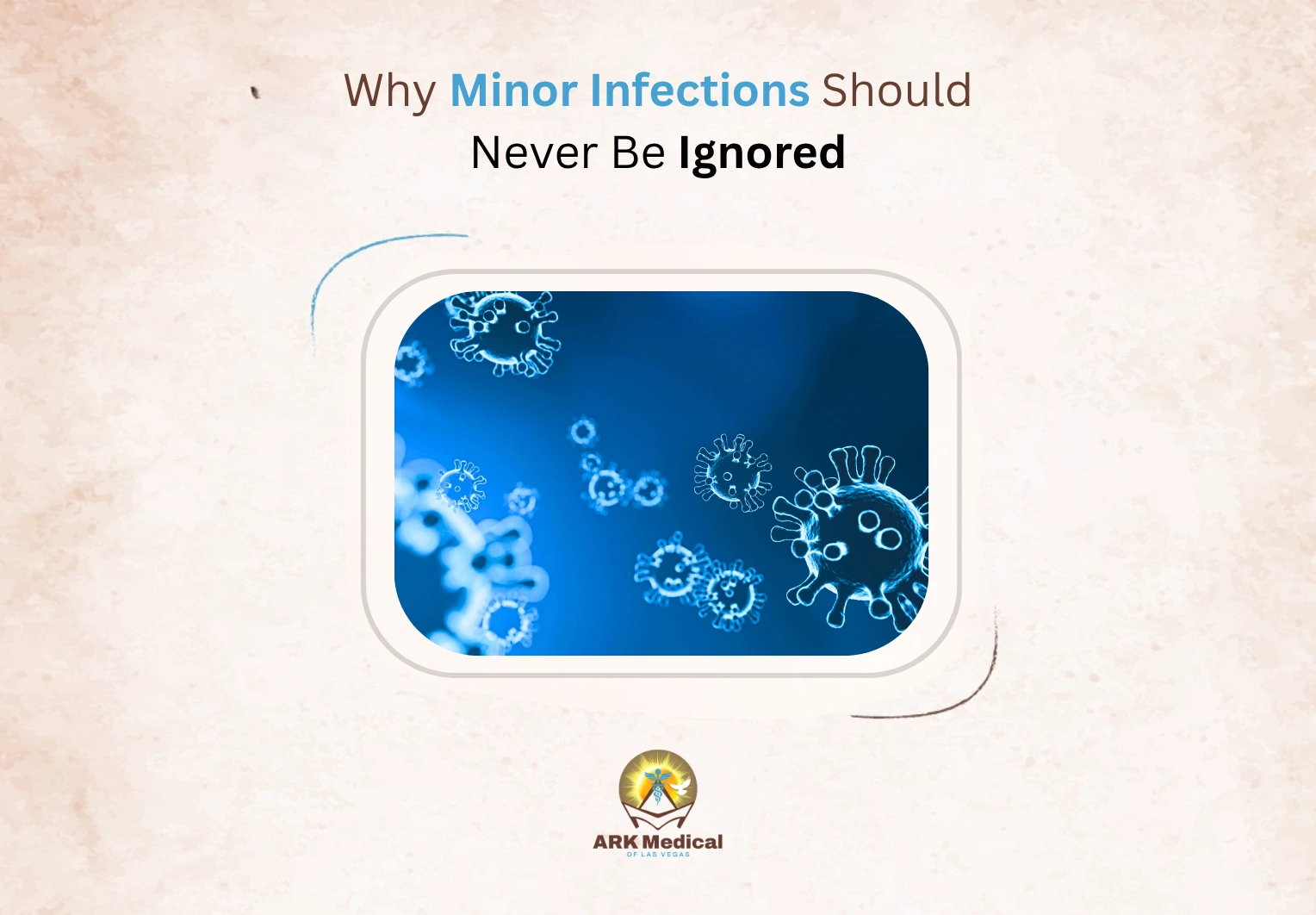
Minor infections are those that happen in the day-to-day interactions of the body with regular bacteria, viruses, or fungi. They can start as simple scratches, skin rashes, slight breathing difficulties, or urinary pains. Initially, they appear to be harmless, as the body has inherent defenses to act. However, when these small signals are disregarded, they can silently use up the resources that the body requires to supply energy, focus, and emotional balance.
What Counts as a Minor Infection in Everyday Life
The types of challenges that the body can encounter in its day-to-day activities include minor infections. Outdoor play can cause a small cut on the skin, a sore throat due to exposure to changing seasons, or a slight urinary sensation that occurs after a hard day’s work; all can be considered part of this category.
Imagine it to be a small hole in a garden hose. The water will continue flowing for some time, but when the leak is not monitored, it can gradually cause more serious problems. The human body is amazingly able to deal with numerous minor infections without any help. Nonetheless, there are some trends, which include continued fatigue, stress, or hectic schedules, and in these cases, it is smarter to focus on early attention.
How Minor Infections Can Quietly Escalate
The body responds to infection by activating its defense system. Those resources may be strained when a minor problem is not addressed, and the outcome can be subtle but significant effects. These changes usually manifest as:
- Persistent fatigue, which affects everyday activities
- Less restful sleep
- Heightened irritability or changes in mood
- Problems concentrating at work or with family
These are simple signs that are easy to misinterpret, yet they often show that the body is overworking.
Signs a Minor Infection Needs Medical Attention
Not all such infections need a visit to the doctor; however, there are certain symptoms that must not be overlooked.
Watch for:
- Symptoms lasting for several days
- Increasing redness, swelling, or pain
- Fever or chills
- Fatigue that affects daily functioning
- Pain that spreads or gets worse
Early identification of these signs can help prevent more serious problems.
The Link Between Minor Infections and Mental Well-Being
There is a strong relationship between physical health and mental health. Mood, energy, and focus can be impacted even with low-level inflammation or discomfort.
People may experience:
- Increased anxiety or restlessness
- Weakness or low energy
- Difficulty concentrating
- Feeling emotionally overwhelmed
When the body is under stress, the mind tends to follow. Small infections are better addressed early to improve both physical comfort and emotional stability.
Common Minor Infections Families Often Overlook
In daily life, some infections are often disregarded:
- Minor cuts that remain red and swollen
- Persistent sore throat or cough
- Mild urinary discomfort
- Skin irritation that does not fully heal
These may appear insignificant, but should be considered when they persist.
Why Early Action Matters
Taking action early helps:
- Conserve energy for daily life
- Prevent complications
- Reduce anxiety and concern
- Maintain emotional balance
Early care is not overreacting; it is about being proactive.
When and How to Take Simple Action
Start with basic care:
- Rest and hydration
- Cleaning the affected areas
- Monitoring symptoms
When symptoms continue or worsen, the next step is to consult a doctor. Access to timely care can make a significant difference for families in Las Vegas and help prevent minor infections from developing into more serious conditions.
Prevention Strategies That Fit Daily Life
Simple habits can go a long way:
- Regular hand hygiene
- Balanced nutrition
- Managing daily stress
- Getting enough rest
These small routines benefit both physical and mental health.
A Simple Example from Everyday Life
A parent may ignore a lingering sore throat while managing work and family responsibilities, assuming it will pass. Over time, it begins to affect sleep and energy levels, leading to fatigue and irritability. Addressing it early could have prevented unnecessary stress and helped restore balance much sooner.
How Integrated Care Supports Your Health
At Ark Medical of Las Vegas, we focus on early evaluation and whole-person care. Rather than only treating symptoms, we look at how physical discomfort may be affecting energy, mood, and daily life.
This approach allows families to receive care that feels complete, supportive, and practical for real-life routines.
Conclusion
Small infections might seem insignificant, yet they are capable of impacting energy levels, mood, and overall well-being. Paying attention to early warning signs helps prevent bigger health issues and supports a more balanced daily life.
Simple steps now can protect your health in the future. If you or a family member has lingering symptoms, seeking timely care can make a meaningful difference.
Contact us today to schedule your visit. At Ark Medical of Las Vegas, we also offer urgent care services for quick and convenient treatment when you need it most.
FAQs
Can a minor infection go away on its own?
Yes, most minor infections go away on their own, but keeping an eye on symptoms is essential to avoid complications.
How do I know when to see a doctor for an infection?
If symptoms last beyond a few days, worsen, or interfere with daily life, it is important to consult a doctor.
Can minor infections affect energy levels?
Yes, the body uses energy to fight infection, which can lead to fatigue and reduced focus.
How can I prevent minor infections?
Good hygiene, proper rest, balanced nutrition, and stress management all help reduce risk.