Most people at one point or another get anxious. A racing heart before a crucial meeting, stress over an imminent choice, or a restless night when life feels uncertain- these moments are part of being human. But sometimes anxiety doesn’t lurk in the background. It feeds off itself. It snowballs until it’s too much and difficult to manage. This pattern is often referred to as an anxiety spiral. Recognizing the early signs of an anxiety spiral can make a meaningful difference.
What Is an Anxiety Spiral?
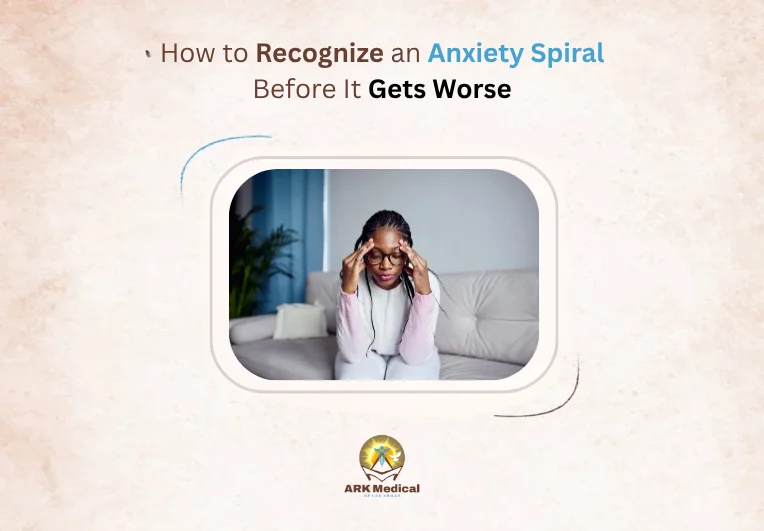
Anxiety spirals occur when worried thoughts and bodily sensations feed into each other, producing a vicious loop that can get worse over time. Triggers are often the start. They might be big or small, and they create worry. And then that worry leads to physical reactions (tight chest, quicker breathing, etc.), which the mind then uses as more evidence that something is wrong. The more the mind thinks of the threat, the stronger the body sensations become, and the cycle repeats.
Spirals tend to feel sticky, unlike regular anxiety that comes and goes. It can distract from the moment and make it hard to think clearly or connect with daily life. The first step in breaking this tendency is to recognize it.
Early Warning Signs That an Anxiety Spiral May Be Starting
The earlier you detect change, the easier it is to respond. The early symptoms can be mild and easily attributed to “just stress.” Paying attention to tiny changes in your body, thoughts, and behavior can help you catch the spiral before it becomes full-blown.
Physical Signals
Most often, however, your body gives the first clues. You can have a slightly elevated heart rate, shallow breathing, tightness in your shoulders or jaw, a restless feeling in your stomach, or feel “on edge”. Some feel dizzy, sweat, or have the urgent need to move. These sensations are real and valid; they’re the body’s natural response to perceived threat, but when they continue to intensify without a clear external risk, they might signal the beginnings of a spiral.
Emotional and Cognitive Shifts
Thoughts may start to race or loop. You could start to worry and think about the worst thing that could happen, or rehash previous discussions, or find yourself unable to concentrate on what you’re doing. You can have urgency or dread even when nothing is pressing. Early emotional signs are also prevalent, such as irritability, feeling overwhelmed, or a sudden dip in confidence.
Behavioral Changes
Maybe you are avoiding situations, seeking constant reassurance, checking things repeatedly, or withdrawing from social contact. Some people get fidgety and can’t sit still; others get totally immobilized and can’t make simple judgements. Those behavior changes are typically seen before the anxiety seems totally out of control.
Why Catching the Spiral Early Matters
Anxiety can rise and build, and if left unchecked, it can become harder to control. You may find your physical problems getting worse, your sleep disturbed, your concentration impaired, and everyday duties seem to take on a greater burden. The earlier you catch it, the earlier you may employ grounding techniques, change your environment, or find help before you have fewer mental and physical resources at your disposal.
It also helps to protect long-term wellbeing to catch the spiral early on. But repeated bouts of high anxiety can lead to tiredness, irritation, and a lessened sense of safety in everyday life. Learning to see the pattern is a form of self-awareness that builds resilience over time.
Practical Ways to Interrupt an Anxiety Spiral
Once you can identify the early indicators, you can take action to curb the momentum. Different strategies work for different people, so it helps to have a few options on hand.
Grounding Techniques
Simple activities to anchor in the present. A classic strategy is to notice five things you can see, four you can touch, three you can hear, two you can smell, and one you can taste. Lengthening the exhale, for example, or other slow, mindful breathing techniques can also quiet the nervous system.
Thought Awareness
By simply watching your thoughts, you can start to loosen their hold on you, gently and without judgement. This is a minor but useful step toward being able to call an idea a “worry” rather than an absolute reality. Sometimes writing down the concerns can help to shift them out of the revolving cycle in your thoughts.
Body-Based Reset
Gentle movement, stretching, a short walk, or progressive muscle relaxation helps alleviate physical tension that fuels the spiral. Even a momentary change in position or a physical change in your environment can alter the intensity.
Supportive Habits
Consistent sleep, regular meals, moderate coffee, and meaningful connection with people establish a stronger foundation that makes spirals less likely to escalate. These practices won’t cure anxiety, but they will help you cope better with anxiety when it occurs.
When to Seek Professional Support
Self-help tactics can be helpful, but are not always enough on their own. If they are frequent, intense, or interfere with job, relationships, sleep, or overall quality of life, expert help can be a great help. A trained provider canassist in discovering underlying patterns, teach personalized skills, and, when necessary, explore further treatment alternatives.
Ark Medical of Las Vegas’ staff provides mental health services including assessment and treatment of anxiety disorders. We provide comprehensive emotional and physical care in a kind, nonjudgmental environment. We provide Telehealth and flexible choices for individuals who require easy access to care.
You Don’t Have to Navigate Anxiety Alone
Being able to recognize an anxiety spiral early on is a powerful ability. And you can meet the intensity with more awareness and care than simply letting yourself get carried away. With practice, many people find they can break the cycle more efficiently and get back to a calmer condition more quickly.
If you are struggling to cope with anxiety on your own, help is available. Ark Medical of Las Vegas is ready to help with compassionate, personalized mental health care. Contact us to find out more about our services. You should feel more in control and more in charge of your well-being.
This article is for educational purposes only and is not a substitute for professional medical or mental health advice. If you are in distress, immediately contact the 988 Suicide & Distress Lifeline or go to emergency care.
FAQs
What is the difference between normal worry and an anxiety spiral?
Normal worry is usually short-term and in proportion to a circumstance. Anxiety is self-perpetuating, in a spiral – the more anxious you get, the worse the physical and mental symptoms get, and the harder it is to stop them without conscious effort.
Can anyone experience an anxiety spiral?
Yes. Anxiety spirals are common among those with recognized anxiety disorders, but can also be experienced by people with occasional or situational worry.
How quickly can a spiral escalate?
Well, that depends. Some spirals rise gradually over hours, while others intensify within minutes once the cycle acquires speed.
Do breathing exercises really help?
For many people, slowing and deepening the breath can soothe the nervous system and lower the physical intensity of worry, making it easier to think more clearly.