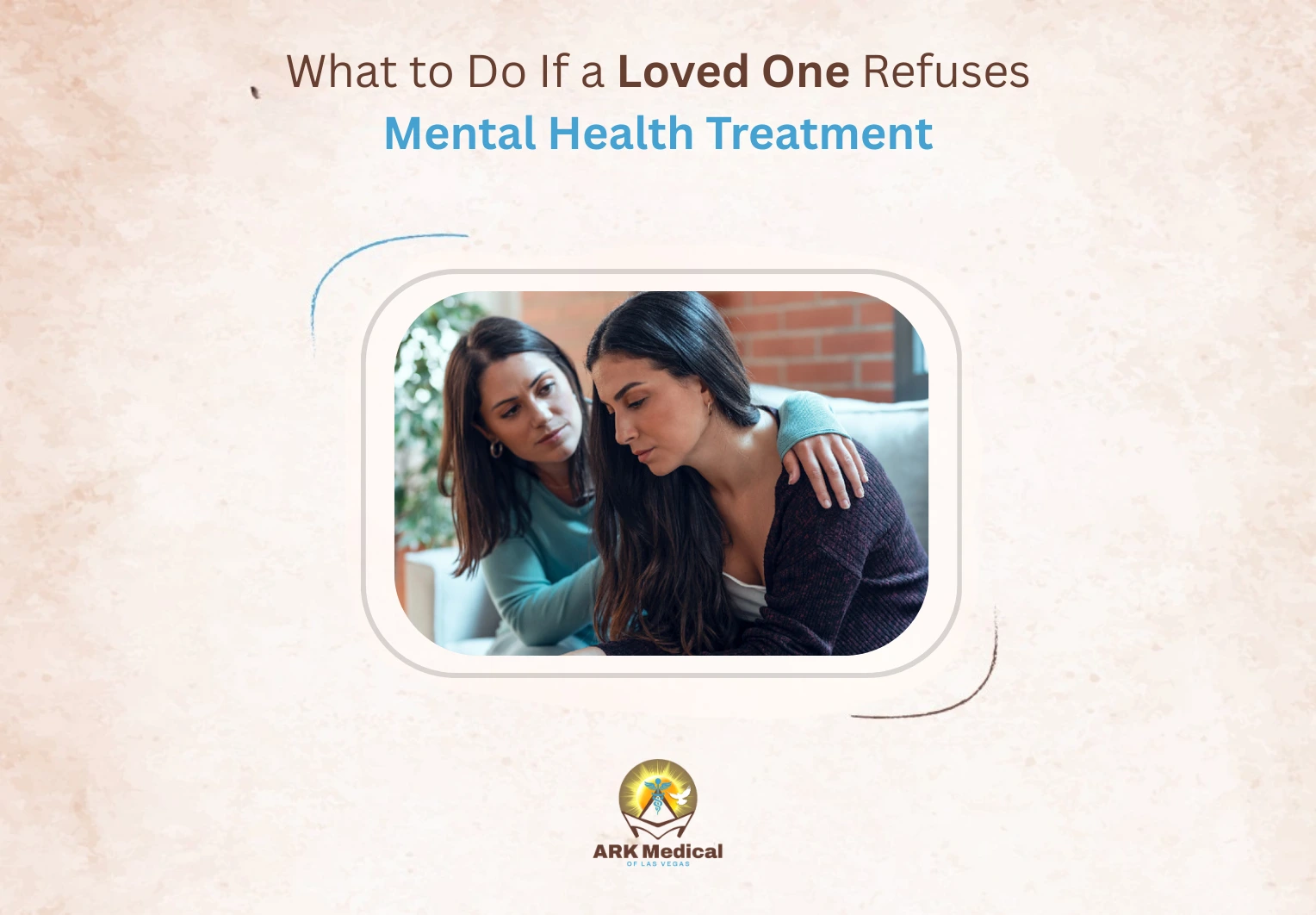
It can be hard to deal with when someone you care about refuses to get help for their mental health. You might notice mood swings, isolation, anxiety, or panic attacks, signs of depression, paranoia, strange behavior, drug use, or sudden personality changes. But when you say, “You should see a psychiatrist,” they say, “I’m fine,” “I don’t need therapy,” or “Stop worrying.”
This guide tells you what to do if a family member refuses mental health treatment and when to call a mental health professional.
Why Do People Refuse Mental Health Help?
Refusal is often part of the condition itself. Some common reasons are:
Lack of Insight
People with bipolar disorder, psychotic disorders, or severe depression may not be able to recognize their own symptoms. They might truly believe that everything is fine.
Fear of Taking Medication
A lot of people are worried about:
- Dependence
- Side effects
- Personality changes
- Long-term use
Clear psychiatric education often lessens this fear.
Mental Health Stigma
Some people were taught to keep their emotional problems to themselves.
Fear of Losing Control
Getting treatment can feel like giving up independence.
Knowing why someone is resisting changes how you respond.
How to Respond When Someone Refuses Mental Health Treatment
Step 1: Avoid Power Struggles
Repeatedly arguing about therapy usually makes things worse. Instead of saying, “You need help,” try saying, “I’ve noticed you haven’t been sleeping well. How have you been feeling lately?” Focus on observable changes rather than labels.
Step 2: Offer Low-Pressure Options
Most individuals do not like long-term commitments. Make the first step small. Options may include:
- One visit to a psychiatrist
• A home-based telemedicine visit
• A medication evaluation only
• A joint family session
Telepsychiatry is often less intimidating than face-to-face visits.
Step 3: Set Healthy Boundaries
You can’t force someone into treatment, but you can set limits. For example:
- “I can’t support drug use in the home.”
- “If you continue yelling, I’m going to leave the room.”
- “We can talk about this again when we’re calm.”
Boundaries protect your well-being and show that you care.
Step 4: Know When It Becomes an Emergency
- Talks about hurting themselves or suicide
• Threatens to harm others
• Has severe paranoia or hallucinations
• Does not sleep for several days
• Engages in dangerous behavior
You can call or text 988 for the Suicide & Crisis Lifeline or go to the nearest emergency department. Involuntary psychiatric evaluation is usually only used when there is a clear threat to oneself or others. Family members can also find support through free resources like NAMI family support groups or family resources available through the 988 Lifeline.
How a Psychiatrist Can Help
A psychiatric provider can evaluate:
- Mood disorders
- Diagnose anxiety and panic disorders
- Assess psychotic symptoms
- Address alcohol or drug use disorders
- Provide ADHD evaluations
- Offer outpatient mental health services
- Schedule telemedicine appointments
- Guide families on how to approach resistant loved ones
It can feel less intimidating to receive advice from a neutral medical professional than from a family member.
Special Considerations for Teens Refusing Treatment
Teens may refuse mental health treatment because of:
- Fear of stigma
- Peer concerns
- Mistrust of adults
- ADHD or behavioral disorders
- Mood instability
Collaborative language is helpful.
Instead of saying, “You’re going to therapy,” try saying, “Would you be willing to have one conversation with someone who works with teenagers your age, just once?” Offering a choice reduces defensiveness.
Is Telepsychiatry Effective?
Yes. Telemedicine mental health services are clinically effective in treating mood disorders, anxiety, ADHD, and medication management, particularly for patients who are reluctant to meet in person.
When Should I Call 988?
Call or text 988 immediately if a person expresses suicidal thoughts, self-harm intentions, or poses an immediate threat to life.
Mental Health Services in Las Vegas
If you are in Las Vegas and need outpatient psychiatric care, professional support is available for:
- Mood disorders
- Anxiety and panic disorders
- Psychotic disorders
- ADHD
- Behavioral disturbances associated with autism spectrum disorder
- Co-occurring alcohol and drug use
Early intervention helps reduce the risk of crisis and improves long-term stability.
Our psychiatric team, led by Cecilio Gonzales at Ark Medical of Las Vegas, works closely with families facing these situations, providing compassionate evaluations, medication management, and telehealth services designed to feel safe and accessible.
Final Thoughts
Someone cannot be forced into the healing process, and trying to push them will most likely create more resistance. What you can do is remain calm during difficult conversations, stay consistent in your support, establish healthy boundaries that protect everyone at home, offer low-pressure options such as one consultation or a telemedicine visit, and seek professional guidance when the situation feels overwhelming.
Today’s refusal does not mean refusal forever. Many people become more open to care when they feel respected rather than pressured. Showing consistent love and support, even during refusal, keeps the relationship intact and leaves the door open for future progress.
You do not have to manage this alone, and early guidance can make a meaningful difference. Contact us today for expert mental health guidance.
FAQs
Can I force my adult family member into psychiatric treatment?
No. Adults cannot be compelled into treatment unless they pose a danger to themselves or others under the law.
What if they refuse medication but agree to therapy?
That is still progress. Medication is not always required for treatment.
How long should I wait before seeking professional guidance?
If symptoms persist beyond a few weeks or begin affecting work, school, or relationships, it is worth consulting a mental health provider.
What are the early warning signs that someone needs psychiatric help?
Common warning signs include severe mood swings, persistent sadness, panic attacks, paranoia, hallucinations, substance misuse, social withdrawal, and sudden behavioral changes. Early assessment contributes to better outcomes.