
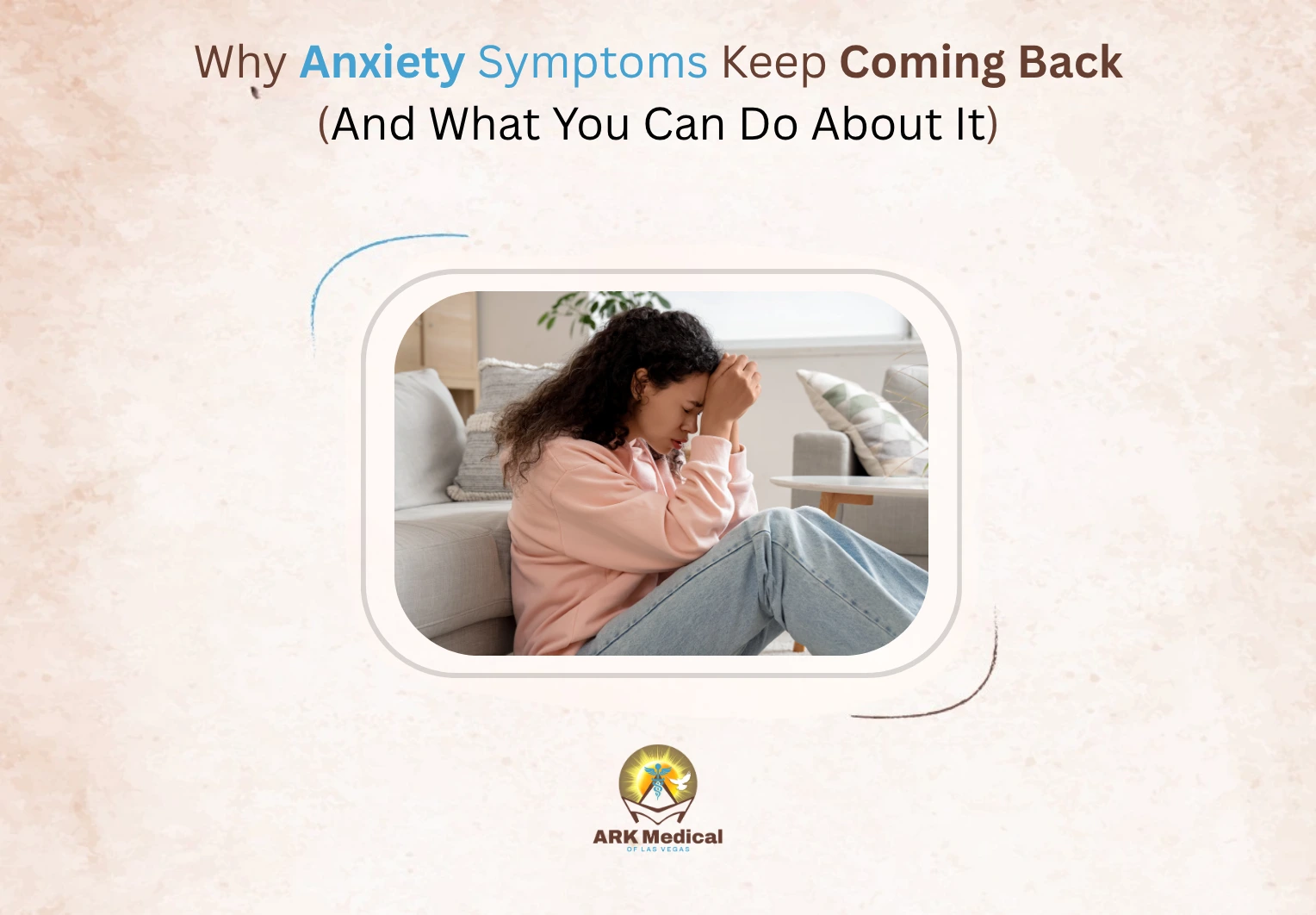
It is very frustrating for many people to have anxiety symptoms resurface after a time of feeling better. Maybe you were calmer, sleeping well, handling stress better, and then suddenly you’re back to familiar worries or restlessness.
The good news is that a setback with anxiety doesn’t mean treatment has failed or that you are going backwards. There are various causes of anxiety, including stress, physical health, and life situations. The symptoms of anxiety vary over time.
Knowing why anxiety keeps coming back can help you identify triggers, cope better with symptoms, and support your mental health in the long run.
Understanding Anxiety Beyond Temporary Stress
What Is Anxiety?
Anxiety is a natural reaction to uncertainty, perceived danger, or challenging situations. It’s part of the body’s natural survival system and keeps us alert while we deal with potential dangers or important responsibilities.
It’s normal to experience worry before a presentation, to worry about a loved one, or to feel tension during a major life upheaval. But if anxiety is chronic, hard to manage, or beginning to interfere with everyday living, it could be an indication of an anxiety illness that needs more help.
Anxiety is a disorder of the mind and body. Symptoms typically include overthinking, racing thoughts, difficulty concentrating, irritability, muscle tension, sleep disturbances, upset stomach, and a fast heartbeat.
Why Anxiety Often Comes in Waves
One of the more puzzling things about anxiety is that it’s not usually a constant state. Many people go through moments when symptoms are much better and then periods when anxiety is more obvious again.
This is because conditions might change and affect emotional well-being. Stress levels, sleep quality, physical health, relationships, and daily routines might influence how anxiety shows up. Feeling better doesn’t mean that anxiety has disappeared altogether, and the return of symptoms doesn’t invalidate the progress you’ve previously made.
Why Anxiety Symptoms Keep Coming Back
Unresolved Underlying Triggers
Sometimes anxiety comes again because the issues that caused the anxiety haven’t been resolved. You may feel better for a while, but work stress, money worries, relationship problems, or emotional experiences that have not been resolved can continue to impair your mental health.
For example, someone who has chronic stress at work may feel more peaceful while on vacation, but get anxious after the vacation is over and the typical routines resume. Symptoms may return during difficult times when the stressor is still present.
The Brain Learns Anxiety Patterns
The brain is wired to learn from experience. If you often feel anxious in certain situations, your brain can start to associate such events with danger, even when there is no real threat.
These responses might become automatic over time. It is common to feel apprehensive before social occasions, when driving, or during business meetings. This happens simply because the brain has been trained to anticipate stress in those situations.
This is not to say that the anxiety is imaginary. It is instead a reflection of how the brain builds protective patterns from past experiences. Knowing these patterns is frequently a key step in breaking the cycle of repeated anxiety.
Stress Accumulation Over Time
Anxiety doesn’t usually begin with one thing. Usually, it starts with stress that builds up over time.
Work, family, financial stress, caring for others, and the daily realities of life can progressively sap emotional energy. Even if each stressor appears tolerable on its own, the cumulative effect can overwhelm the neurological system and contribute to recurrent anxiety symptoms.
Many people don’t realize how much stress they are carrying until the worry begins to escalate again.
Avoidance Behaviors Can Reinforce Anxiety
Avoidance of anxiety-provoking circumstances frequently provides temporary respite. In the short term, this can feel useful, but over time, avoidance can reinforce anxiety.
If people always avoid uncomfortable events, they never get to discover that they can cope with them successfully. So the brain continues to interpret those situations as hazardous.
This can lead to a cycle in which anxiety becomes stronger and starts to impact more areas of life.
Physical Health Factors
Mental and physical health are two sides of the same coin. Poor sleep, chronic disease, hormonal shifts, nutritional deficiencies, and too much caffeine can all contribute to anxious symptoms.
Stress on the body generally means less emotional resiliency. That’s why recurrent anxiety is occasionally associated with bodily issues that might not be immediately detectable.
Making improvements in your general health can go a long way in regard to anxiety and mental well-being.
Hidden Triggers That People Often Overlook
Sleep Deprivation
Sleep is important for emotional control. Not getting enough quality sleep makes your brain more reactive to stress and less able to cope with tough emotions well.
Sometimes a few nights of poor sleep might leave you more irritable, more worried, and more overwhelmed. Helping mental health frequently means improving sleep habits.
Social Media and Information Overload
Modern life is flooded with information all the time. News updates, social media information, and online chatter can generate a sense of brain overload, particularly when most of the content is unpleasant or emotionally charged.
Constant exposure to upsetting information can put the nervous system in a heightened state of arousal, making anxiety symptoms more likely to recur.
Perfectionism and High Expectations
Those who set their standards very high frequently feel the pressure to perform, succeed, or not make mistakes. This continual self-monitoring might lead to chronic concern and anxiety.
When you are a perfectionist, even small setbacks might feel like big setbacks, which can lead to more emotional stress and difficulty relaxing.
Major Life Changes
Positive life experiences might cause anxiety, too. Starting a new career, getting married, becoming a parent, relocating to a new place, or retiring all mean change and uncertainty.
These transfers frequently involve considerable adjustment, and anxiety levels can rise temporarily. Knowing this is a natural response might alleviate self-criticism and irritation.
Signs That Recurring Anxiety May Need Professional Attention
Anxiety Is Affecting Daily Functioning
Anxiety should not be disregarded when it begins to interfere with work, education, relationships, or daily responsibilities. If symptoms are preventing you from concentrating, working, or maintaining key connections, professional help may be useful.
Symptoms Feel Increasingly Difficult to Control
It’s okay to worry. But if you’re feeling anxious – constantly – and it feels overpowering and hard to handle, you may need to get some extra support. Constant worry, racing thoughts, and mental tiredness can greatly affect the quality of life.
Avoidance Is Limiting Your Life
If anxiety is preventing you from social situations, chances, obligations, or hobbies you used to like, it may be time to get some help. Avoiding something usually makes your anxiety worse and could slowly shrink your comfort zone.
Practical Ways to Reduce Recurring Anxiety Symptoms
Learn to Identify Personal Triggers
When you learn what is feeding your anxiety, you will be better able to respond to symptoms. Keep a journal. Journaling may help you identify patterns related to stress, sleep, relationships, or certain events that make you anxious.
Maintain Consistent Routines
Routines can provide stability and predictability, both of which can help alleviate anxiety. Sleeping enough, eating healthy meals, staying active, and having a good routine can all help your emotions over time.
Practice Healthy Stress Management Skills
Managing stress beforehand might lessen the severity of the recurring symptoms of anxiety. Some helpful ways include deep breathing exercises, mindfulness practices, physical activity, spending time outside, and engaging in activities you enjoy.
The goal is not to get rid of stress, but to develop healthy strategies to cope with it.
Seek Professional Support When Needed
Sometimes, self-help isn’t enough to beat anxiety. Mental health professionals are available to help you understand the fundamental causes, learn effective coping strategies, and create tailored treatment plans based on your individual needs.
There’s no shame in asking for help. It is an active step you may take to improve your emotional health and your quality of life.
Conclusion
It can be frustrating to experience a return of anxious symptoms, but it does not mean that you have failed or that you have lost all of the progress you have made. Anxiety is influenced by a combination of emotional, physical, and environmental factors; thus, it is typical for symptoms to fluctuate during a person’s life.
Try to see anxiety not as a barrier but as an opportunity to check in with your mental and physical health. Track your triggers, create healthy habits, and reach out for support when you need it to train yourself to handle anxiety in the long term better.
If anxiety is a constant companion that’s interfering with your day-to-day life, professional mental health care can give you the guidance, resources, and support you need to understand your symptoms and build long-term emotional resilience.
Take the Next Step
Ark Medical of Las Vegas offers complete mental health exams and individualized treatment programs for clients with anxiety and related problems. If you’re dealing with new symptoms or they’ve been recurring for some time, our experts can help you identify the contributing factors and develop measures to support sustainable emotional wellness. Contact us today.
Related Posts:
- Urgent Care for Anxiety and Panic Attacks: What to Expect at Ark Medical
- How to Calm Anxiety Fast: 7 Simple Techniques That Work
FAQs
Is it normal for anxiety symptoms to come and go?
Yeah. Symptoms of anxiety typically vary with stress levels, physical health, living circumstances, and emotional factors. It is not unusual to have periods of recovery and transient symptom flare-ups.
When should I seek professional help for anxiety?
If anxiety is hurting your everyday functioning, relationships, sleep, physical health, or general quality of life, you may benefit from professional support.
)