
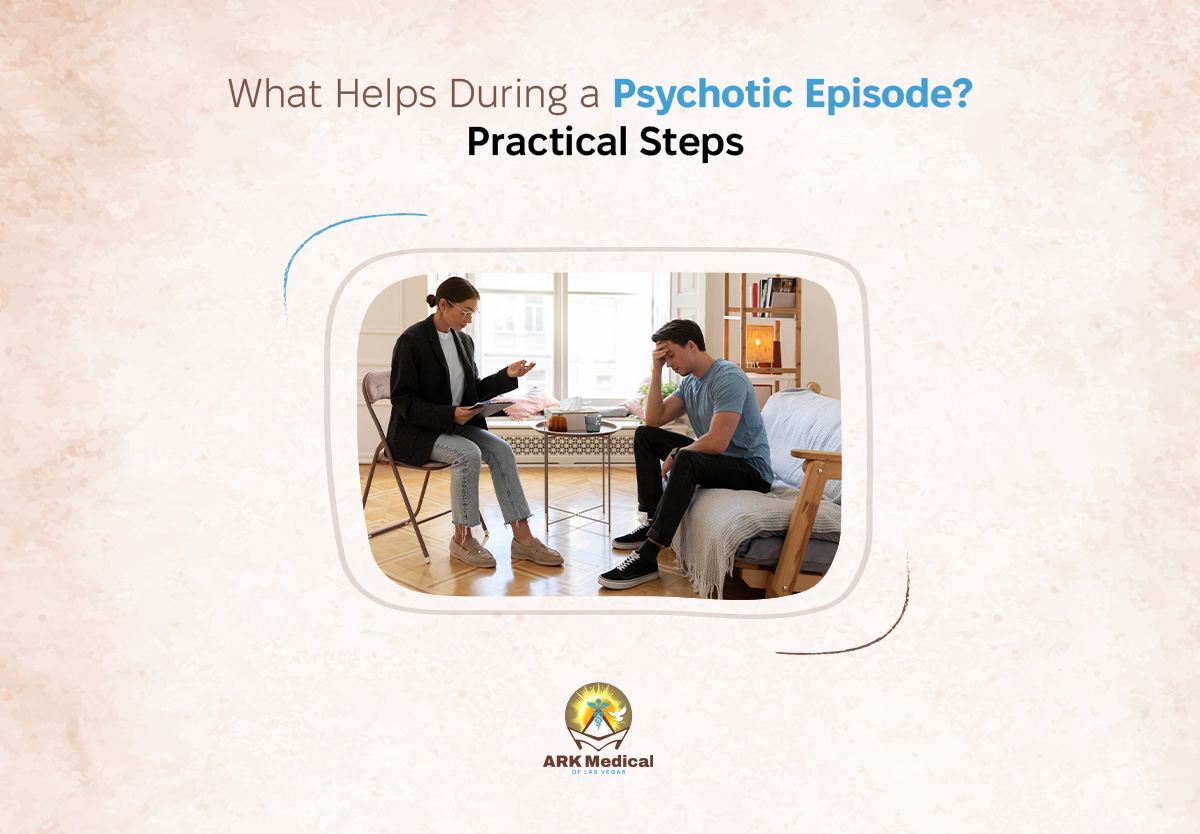
It can be scary and lonely to have a psychotic episode yourself or to see someone you care about have one. But these are temporary, and if you have the right tools, you can deal with them well.
This guide gives you a plan for how to deal with a psychotic episode, including early warning signs and helpful ways to cope that you can start using right away. We will also talk about how to make things stable over the long term and when to get help from a professional. While this advice makes the environment safer, it works best when paired with professional care.
Understanding Psychotic Episodes: A Brief Overview
A psychotic episode is a short time when the brain can’t understand what’s going on in the real world. Think of it as a short “fog” that makes your thoughts, feelings, or perceptions stronger or less connected to the outside world, but without the shame that often comes with mental health problems. The disorder is a temporary condition, not a permanent one, and many people get better.
Common Triggers and Causes
Finding the things that set off a psychotic episode is the most important part of dealing with it. There are other things that can cause stress, but the ones listed below are some of the most common:
- Long-term lack of sleep
- High levels of stress in relationships or at work
- Big changes in life, like moving or losing a job
- The brain can get too much information, just like a computer that is too full.
These times can be hard for families, but they also give them a chance to get support that is open and nonjudgmental.
Key Facts About Psychotic Episodes
- Length: An episode can last anywhere from a few hours to a few days.
- Context: They can happen in a number of mental health conditions, but it’s crucial to deal with them right away.
- Recovery: With the right professional help and personal coping skills, it is possible to get back to normal.
The first step to getting better all the time is to learn the signs and symptoms of a psychotic episode.
Understanding the Early Signs of a Psychotic Episode
You need to be understanding, not judgmental, to recognize a psychotic episode. It’s about knowing when someone’s normal rhythm changes, which could lead to confusion or perceptions that aren’t true. If you or someone you care about sees these early signs of psychosis, you might be able to get the help you need or respond by being kind.
Watch out for these common signs of psychosis:
- Altered Thinking: The person may feel suspicious of everyday things or like they are not connected to their surroundings (delusions).
- Sensory Changes: Hearing sounds that other people can’t hear or seeing deep meaning in random patterns (hallucinations).
- Changes in Emotions: Going from normal behavior to deep-seated anxiety or avoiding social situations.
- Disorganized Behavior: Speech that is hard to follow or actions that don’t seem like the person.
These signs may look different depending on how old you are. Teenagers often stop doing schoolwork or hanging out with friends, and adults may have trouble keeping up with their work schedules. It is very important to keep a close eye on these changes in mental health. Keeping these trends in mind over time will help you know when you need to see a professional.
Immediate Steps: Practical Coping Strategies During an Episode
First and foremost, everyone who is going through a psychotic episode needs to be safe. These methods won’t substitute professional help in a mental health crisis, but they can help you relax while you wait for help.
Self-Help for Psychosis Symptoms
For the Person Experiencing It
Ifyou have symptoms, coming up with ways to calm down will help you feel better. Little anchors in the middle of the chaos remind you that this is only a temporary problem.
- Find a low-stimulus environment: If you’re feeling overwhelmed by your senses, go to a room that is quiet and has soft lighting.
- Find ways to stay grounded: To get back in touch with the present, hold something you know or pay attention to how you breathe.
- Talk about things that make you feel better: To feel better, tell yourself, “I’m safe, and this feeling will pass.”
- Focus on physical comfort: To feel better, drink water or lie down in a safe place.
How to Support Someone in Crisis
As a friend or caregiver, you should maintain a steady, calming presence, akin to a beacon amidst a turbulent storm.
- Remain calm and non-confrontational: Don’t argue about their reality, and speak softly to keep the situation from getting worse.
- Create a safe space: Get rid of things that could be dangerous without making the area look closed off.
- Comfort them gently: Use simple phrases like “I’m here with you” to connect with them without making them feel bad.
- Watch over things in a safe way: Stay a safe distance away, observe and be ready to help if you think someone needs expert help.
Knowing When to Seek Professional Support
It’s not a sign of weakness to ask for help during or after a psychotic episode. It’s a sign of strength. Early intervention is very important for the safety of both the person and their family.
Here’s how to know when you need to get help for a psychotic disorder treatment:
- Safety Risks: If you think you might hurt yourself or someone else, do something right away. Call 911 if you need help.
- Symptoms that last a long time: If you feel confused or upset for more than a short time, see a doctor.
- First-Time Episodes: Getting professional help right away can help make the diagnosis clearer and keep problems from getting worse in the future.
- Daily Effect: If your relationships or daily life are getting worse, seeing a professional can help you get back on track.
If you don’t need care right away, virtual services provided by Ark Medical of Las Vegas can make it easy to get care quickly and privately without having to travel.
Building Resilience: Long-Term Recovery Strategies
When the current crisis is over, the focus will be on prevention and upkeep. Taking care of your mental health on a regular basis is the most important thing you can do to stay healthy.
Consider these ways to help someone with psychosis get better:
- Establish routines: Getting enough sleep, eating well, and working out regularly can help keep your feelings in check.
- Learn how to handle stress: Find ways to stay grounded that work for you every day.
- Find Community: Join a support group to talk about what you’ve been through and keep from feeling alone.
- Monitor changes: Keep a journal of how your mood changes so you can see warning signs early.
Expert Psychotic Disorder Treatment in Las Vegas
At Ark Medical of Las Vegas, we assist you in recovering more quickly. Our caring staff specializes in treating psychotic disorders in people who don’t need to stay in the hospital. They use both practical knowledge and family-centered methods.
We offer several flexible options, like virtual consultations, to make sure you get the care you need when you need it.
When you have the right information, coping skills, and support system, dealing with psychotic episodes is much easier. You are not the only person on this road. If you have questions or are ready to take the next step toward feeling better, call Ark Medical today.
Additional Resources
Want to learn more?
- Early Warning Signs of Psychosis
- Common Questions about Psychotic Disorder Care
- What Does a Psychotic Break Look Like?
FAQs
Can a psychotic episode stop on its own without help?
Some episodes may get better after a short time if the person is in a safe, peaceful place, but most don’t get better completely without help from a professional. Getting in touch with a mental health professional right away keeps you safe and stops things from getting worse.
What can family members do to stay safe when helping someone who is having a psychotic episode?
Keep your cool, speak softly, don’t argue with what the person is going through, and if you need to, stay a safe distance away. If there is any chance of danger, call 911 right away.