
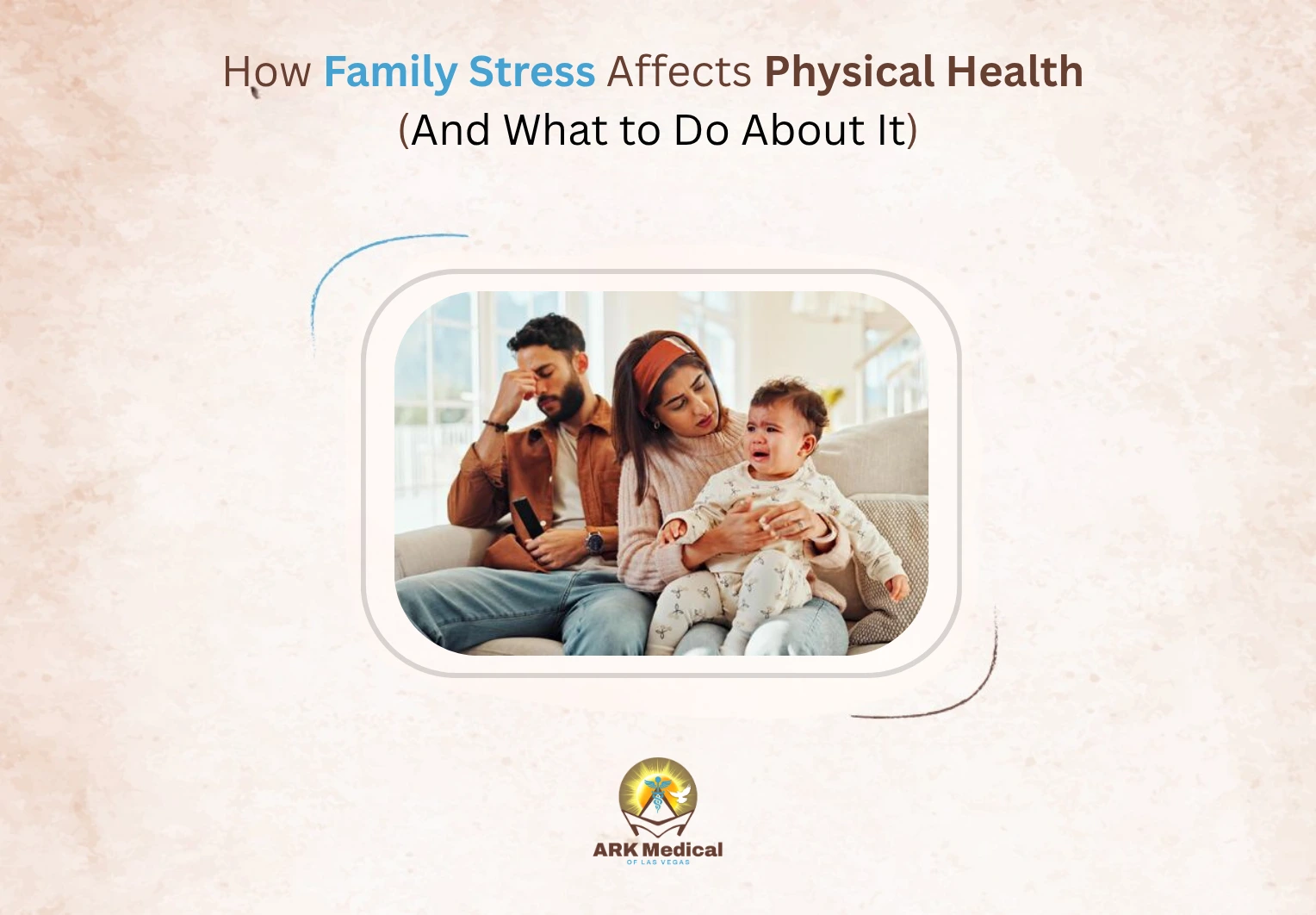
With all sorts of responsibilities coming at once, bills piling up, grievances from kids when home from school, work hours spent in Vegas, and tension mounting when preparing dinner, life in a busy household can make for a pressure cooker. Gradually, headaches, gastrointestinal problems, and fatigued and lethargic hearts may begin to occur. The stress of the family is the same as the stress within the family.
Family stress takes its toll on the whole family, and if one of the family members feels overwhelmed, the rest do as well. It also has a clear biological pathway to affect physical health, but outside of relationships, too. The positive side to this? If you now learn about this connection, the first step towards change has been taken. Families can lower stress levels, maintain their health, and create a more peaceful atmosphere with a few practical, simple plans.
What Is Family Stress and Why Does It Matter?
Family stress occurs when there are demands that continue to be more than the resources or support that is available in the family. Family stress follows you, unlike individual stress, which you sometimes are able to get rid of. It impacts the way you interact, rest, and work day-to-day.
Common Sources of Family Stress
A list of the types of stress that are seen in families. Several scenarios are likely to cause this common strain:
- Financial issues, high living costs, unexpected costs, etc.
- Parenting challenges (school demands, behavioral problems, or multiple needs)
- Work-life imbalance, particularly demanding/wacky work hours that are common in Vegas.
- Medicine-related issues of a family member or members.
- When there is a change in your family, such as a move, new skills and roles, changing jobs, divorce, or caring for elderly parents
- Continuous clashes with others (without full resolution)
A typical stressor won’t exist independently. They add to the burden and distribute it amongst all the members of the household, leaving the entire family to feel the burden awareness and physically, leaving the entire family unit more susceptible to emotional and physical effects.
The Difference Between Acute and Chronic Family Stress
There are two types of Family Stress: Acute and Chronic.
The stress we experience on a short-term basis is called acute stress, for example, before the Christmas holidays or when facing a short-term argument. Your body gets ready, goes through it, and then comes back.
But chronic stress in the family lives on for weeks, months, and years! Your system is constantly activated, with no time to rest. Repeatedly releasing a large amount of stress leads to greater stress exposure to the body over the course of time, due to the body never being able to recover from the stress.
The Science of the Mind-Body Connection in Families
The mind-body connection in families is very important. Your brain and body constantly communicate with each other in a complex and intricate way, via a network of nerves and hormones linking the two. Now this relationship is immensely accentuated by family stress: details from those closest to us affect our emotions and mood so intensely.
How Stress Triggers Physiological Responses
Stress occurs when levels of tension (either triggered by a heated discussion with your family or some concern about a loved one) raise the stress hormone levels in your brain. This links the hormone-influential hypothalamic-pituitary-adrenal (HPA) system, which is widely recognized as your body’s stress response mechanism. Cortisol levels spike, along with adrenaline, putting you in a heightened state of alertness that elevates your heart rate, sharpens your focus, and gets you ready for the obstacle. This response is useful to fight or run away from otherwise during false or non-crisis situations.
However, if there is a lot of arguing or piling up of concerns in a house, this may happen several times per day. This can become overwhelming if it doesn’t turn off completely.
Inflammation, Hormones, and Long-Term Effects
High levels of stress hormones for extended periods of time increase general inflammation throughout the body. This can impair the immune function and lead to disturbances in the normal functioning of digestion, sleep rhythms, and metabolism. Chronic stress from one family member can have effects on others’ systems as well through shared-environment and by emotional contagion; for example, a family member’s high level of stress may subtly pass on to the developing systems of family members.
Specific Ways Family Stress Harms Physical Health
The effects will manifest in various ways for different individuals, but the following are some patterns that will occur with stressed families many times.
Cardiovascular Risks
There is a tendency to increased blood pressure and low heart rate if a family has constant conflicts. This continuous demand over the months or years can lead to hypertension and other heart problems. Vital functions are activated all the time, and this causes the cardiovascular system to operate unnecessarily at a higher rate.
Immune System Weakening and Illness
Higher blood levels of stress hormones mean lower levels of immunity. Chronic stress can make families more likely to catch colds and illnesses may not resolve as quickly, or inflammatory conditions may worsen. The body is diverted from fighting everyday germs, and instead is focused on stress management.
Digestive and Metabolic Issues
The gut is directly impacted by stress. You may get stomach cramps, loss of appetite, upset stomach, or bowel movement. Some members of the family have an increase in eating, and others have no interest in the food at all. Together with hormonal changes, these patterns can result in weight changes and, in the medium term, metabolic difficulties.
Sleep Disruptions and Pain
Stress at home is often associated with insomnia, inability to fall asleep, or stay asleep. The next day, sleep has slowed down the processing of information, leading to disorientation, headache, and increased muscle tension due to poor sleep. Several people experience neck, shoulder, or backache, which is exacerbated by means of particularly difficult times in the family.
Other Impacts (Reproductive Health, Skin, etc.)
Stress within the family can impact reproductive health, menstrual cycles, or libido. Sometimes, under prolonged tension, skin conditions occur, such as acne or eczema. Stress transferred to the children can cause them symptoms they may not even be aware of, such as stomach issues or frequent headaches.
Recognizing the Signs in Yourself and Your Loved Ones
Awareness is the key to a difference in the early stages. Be aware of these signs of price gouging:
Physical Signs
- Frequent headaches and/or migraines
- Feeling tired even after you’ve slept for a long time
- Shortness of breath or difficulty breathing
- Discomfort in the digestive tract (stomach, intestines) such as nausea, bloating, constipation, or diarrhea)
- Aches in muscles or tension in the jaw, especially those that come up without cause
Behavioral and Emotional Red Flags
- Clinging to hostility toward the parent, teacher, or peers
- Avoiding interaction with family members, friends, and loved ones
- A loss of appetite or interest in eating/drinking
- Issues with attention and/or problem-solving
Family-Wide Indicators
- There were more conflicts at home over minor issues.
- Unable to get a good night’s sleep, or lack of interest in it
- Resembling some of their symptoms when ill
Simple Self-Assessment Checklist
- Have you had physical signs or symptoms that become worse on some days of high tension?
- Have there been more conflicts in your family, fewer connections, in recent times?
- Do you or those in your household not eat, lack physical activity, or not sleep well due to a lack of time or concern?
- Is there any increase in minor illness duration?
- Have minor illnesses been longer than usual?
If answers to more than one question are yes, it may be appropriate to consider professional help.
Practical Strategies to Reduce Family Stress and Protect Physical Health
Building and implementing practical plans to manage family stresses and to protect physical health. The positive thing is, there are small, consistent changes that can change the whole family dynamic.
Strengthen Family Communication and Support
Respect and help support the family. Provide opportunities for open discussion. Hold weekly family meetings in which everyone speaks one vote on one point – positive and negative. Actively listen to others, repeat what you heard, showing understanding. Speak often and publicly, express gratitude. These practices contribute to establishing emotional cushions of resilience to stress.
Lifestyle Habits That Buffer Stress
Physical Activity: Stomp, walk, jog, squeak & shake as a family. The release of tension and an increase of chemicals that regulate mood through an evening neighborhood walk, weekend hikes near Las Vegas, backyard games, or even “dancing in the living room” all contribute to the release of tension and an increase of chemicals that regulate mood.
Nutrition and Sleep Routines: Make sure of balanced meals that include lots of vegetables, proteins, and whole grains. Create evening rituals and routines that help everyone to wind down, including an hour before bed in which everyone shuts the screens off. Mindfulness and Relaxation: Show children some simple things to breathe in and out, such as taking 4 counts in and 6 counts out. It’s okay to offer some family breaks or just some light stretching; it can be an opportunity to bond.
Time Management and Boundary Setting
Focus on what’s really important. Know how to decline too many items on the agenda. Eat the meals and dishes together without letting anyone else bear the responsibility for handling everything. Take care to keep family time on the calendar just like you do work time.
Fun and Connection Activities
Remember to rekindle in low-pressure happiness. Building positive associations again can be a game night, cooking together, a picnic at a local park, or a funny story shared around the dinner table. These moments make one feel resilient and that family is important.
Building Long-Term Family Resilience
Developing Coping Skills Together
Educating children on how to build resilience in their entire family. This process is designed to help participants learn to develop their coping skills together. Demonstrate appropriate ways to react to stress in children and teens. Be open to feelings; model breathing/problem-solving. Engage in instruction of age-appropriate skills to make them natural tools and not resort to items.
Creating a Supportive Home Environment
Create regular activities and good customs, for example, a Sunday breakfast, gratitude sessions, a family ritual for some season. Keeps the home more peaceful, which diminishes everyday conflict and provides a sense of security.
Leveraging Community and External Resources
Several programs in Las Vegas are geared towards the whole family, from activities to support groups to wellness. Help at home can be complemented by help at schools, school counseling, and in the local community.
When to Seek Professional Mental Health Support
House strategies sometimes call for reinforcement. If you experience any of the following even after lifestyle changes have taken place, or if you feel the stress and conflict are mounting to unmanageable levels, consider seeking professional assistance.
Also, if you notice any of the following symptoms: working, school, or relationship problems are worsening; anxiety or depression begins to be significant; or the physical symptoms persist. Taking early action will help prevent it from turning into other issues.
Family therapy, individual counseling, or a medical evaluation can help provide you with some customized tools and new perspectives. In the mental wellness services at Ark Medical in Las Vegas, the main concern is implementing supportive and pragmatic care that’s attuned to actual families. Professional support can help alleviate unhappiness and stop tough cycles, either through therapy that works with family dynamics or by taking good care of the body to resolve stress-related health conditions.
Conclusion
While stress within the family is very prevalent, it is not necessarily synonymous with a stressed-out family. Now, you have insight into how it affects the body, from heart stress to immune issues, a disrupted sleep cycle, and so much more, so you can make positive changes.
Minimalist communication & lifestyle, connection & resilience steps help protect the well-being of all family members and build family connections.
Keep it simple this week, do only one small change, perhaps a stroll in the family and/or a meaningful discussion around the dinner table. Your body and your family members will thank you!
At Ark Medical of Las Vegas, we want to help you and your family on the journey to mental and overall good health. Contacting us today could help you understand our services more and, if stress is overwhelming, give you the support you need. It’s not something that you have to do on your own.
FAQs
Do family stresses induce headaches?
Yes. Headaches and migraines are often caused by persistent rises in the strain of family dynamics and the stress hormones that result from those, which tighten muscles in the head and neck, respectively.
In what ways do children physically suffer as a result of parental stress?
Just as adults absorb stress from their surrounding environment, children can suffer from stomach aches, sleep problems, and headaches, and changes in eating habits as they absorb a family’s tension, particularly even when attempts are made to protect them.
Do you have some fast ways to defuse conflicts at home?
A little de-escalation at the moment can be achieved through collective deep breathing, a short walk, a little appreciation, or a quick cool-down.
This article serves an educational purpose. Please seek advice from qualified health care professionals for individual information.



)