Do you have shoulder pain that doesn’t go away when you do weekend activities, or knee pain that makes it hard to do everyday things? Cortisone shots quickly reduce swelling and joint pain. If the pain keeps coming back, you might wonder if it’s safe to get cortisone shots a lot for a long time.
Ark Medical of Las Vegas offers joint injections and minor surgeries as part of our primary care services. This guide discusses how safe it is to get cortisone shots repeatedly. It helps you consider the pros and cons of your options and make smart decisions about how to manage your pain.
What Are Cortisone Injections and How Do They Work?
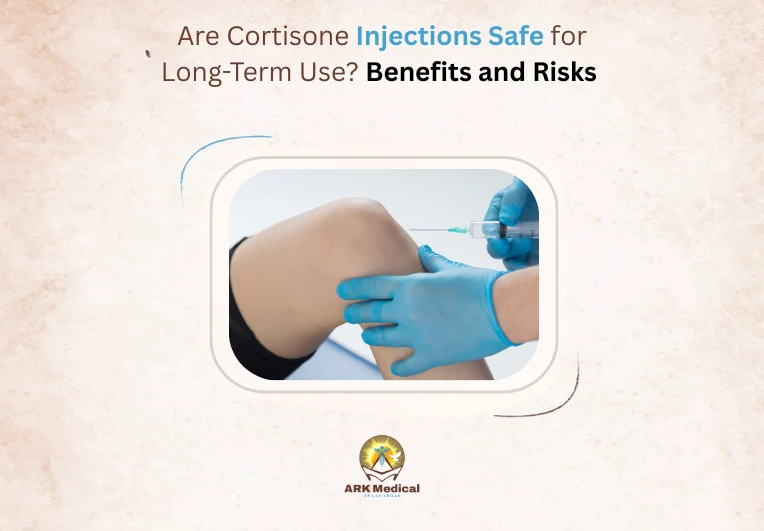
Cortisone injections, or steroid shots, contain a potent anti-inflammatory medication that is injected into joints, muscles, or soft tissues. They can help reduce pain, swelling, and stiffness without surgery.
The process is simple and usually carried out within the office. Your doctor cleans the area, may give you a local anesthetic, and then injects the shot. They often use ultrasound imaging to make sure it goes to the right place that’s causing the problem. It’s fast, and most people go home the same day.
Cortisone shots are effective for several inflammatory conditions, including:
- Arthritis and bursitis: To reduce swelling in the joints and make it easier to move.
- Tendinitis: This is when the tennis elbow or rotator cuff gets inflamed.
- Spinal pain: This is caused by bulging or herniated discs.
- Dermatological concerns: Issues with the skin, such as keloid scars or cystic acne.
These injections are often combined with other aspects of primary care at Ark Medical Las Vegas, such as guidance on lifestyle changes, stretches, or diets, to enhance their long-term outcomes.
Short-Term Benefits of Cortisone Injections
These shots are best for pain that comes on suddenly or needs to be controlled quickly. Most people feel better within a few days, and the effects can last anywhere from weeks to months, depending on the person and the condition. This really gives you a chance to get back to living.
Key benefits are:
- Fast Pain Relief: It works right where the pain is, and you might feel better in just a few days.
- Better Mobility: It makes it easier for your joints to move, so you can walk with your family or play with your grandkids.
- Non-Surgical Alternative: Provides a period to heal while finding physical therapy or other treatments.
- Patient-Friendly: Compared with oral administration, targeted delivery results in fewer systemic steroid effects.
This short-term boost can encourage you to adopt healthier habits, such as regular gentle movement, to help prevent future flare-ups.
Potential Risks and Side Effects of Single or Occasional Use
A cortisone shot can have side effects:
- Pain or bruising at the site of the shot
- The face gets warm and red
- A short-term rise in blood sugar (this is important for people with diabetes)
- Infections or allergic reactions that don’t happen very often
Keep an eye on the area for any strange changes and let your doctor know if you notice anything.
Long-Term Safety: Key Considerations for Repeated Cortisone Injections
Factors Influencing Safety
Several critical factors have determined the safety of cortisone injection over the years:
- Frequency and dosage of injections: Health professionals usually incorporate only a few injections per year in a specific joint, which provides your body sufficient time to rest after each injection period.
- Your own medical history: Age, general health condition, and other existing conditions are some factors that affect how your body reacts.
- Medication compatibility: It is crucial to monitor the interaction between cortisone and other medications you are currently taking.
Regular checkups with your doctor will ensure that your treatment plan is adjusted as needed and that your healthcare professional notices any early signs of an issue.
Long-Term Risks to Watch For
Although cortisone injections could be very effective and reduce pain, with continuous use, they could cause various complications:
- Tissue and structural damage: Repeated injections may progressively weaken cartilage, tendons, and surrounding soft tissues.
- Hormonal imbalance: Using cortisone frequently can disrupt your body’s normal hormonal function.
- Increased risk of infection: Every injection carries a low risk of introducing bacteria into the joint space.
- Progressive joint deterioration: With time, cortisone can accelerate cartilage degradation and skin thinning at injection sites.
These possible side effects are why it is so essential to be spaced correctly during the injection process and to stay in open communication with your health professional about your treatment progress.
Balancing Benefits and Risks: When Long-Term Use May Be Appropriate
In people with persistent inflammatory diseases like severe rheumatoid arthritis, pre-planned long-term treatment based on corticosteroids by injection is capable of greatly enhancing daily functionality and comfort. The main goal is to improve the quality of life while reducing potential health risks through thorough medical care.
Long-term injection therapy that works well usually has:
- Scheduled medical monitoring: Regular visits with your doctor to see how well the treatment is working. This could include blood tests and imaging tests if necessary.
- Combined treatment plans: Using injections along with other therapies like physiotherapy, targeted exercise programs, and nutrition plans that are backed by research to reduce the number of injections needed.
- Personalized treatment changes: Your pain management plan is continually being looked at and changed based on how you respond and how your health needs change.
Your healthcare team can help you think about these things.
Exploring Alternatives to Repeated Cortisone Injections
To find an alternative to long-term cortisone injection therapy, there are several effective treatment methods to help reduce inflammation and pain.
- Non-invasive options: These methods include physical therapy to support and strengthen affected areas and enhance mobility, and supportive braces to maintain stability during the healing process. Acupuncture is also a pain-targeting technique that offers relief to many patients without the use of medication.
- Lifestyle modifications: An anti-inflammatory diet rich in omega-3 fatty acids, fruits, and vegetables could be a natural way to reduce pain. Low-impact exercises such as swimming, cycling, or yoga can be incorporated without additional joint stress.
- Innovative medical treatments: More recent treatments include platelet-rich plasma (PRP), which harnesses the body’s innate healing capacity, and prescription topical anti-inflammatory medications that deliver targeted relief.
These treatment approaches can be successfully integrated to create a holistic pain management strategy. Consult your medical team as much as you can to develop your own unique treatment plan that takes into account your needs and lifestyle.
When to Consult Your Primary Care Provider
It’s time to get in touch if you need to.
- Pain that doesn’t go away with things you can do at home
- Concerns about how often injections are needed or side effects
- Finding long-term options or treatments that work with them
Bring a list of your symptoms and any questions you have. Your provider can talk to you about long-term options and what to do next, like telemedicine if you need it.
Conclusion
Cortisone shots are great for short-term relief, but you should be cautious about using them long-term. With some moderation, regular checkups, and an improved program by your primary care team, you can have a good experience with pain relief and reduced risks. At Ark Medical of Las Vegas, we’re here to help you get to a place of health and comfort that lasts. Feel free to call us or make an appointment.
Related Resources:
- Do You Need to Rest After a Cortisone Injection?
- How Long Is the Immune System Compromised After a Steroid Injection?
FAQs
How many cortisone injections are safe per year?
Guidelines suggest spacing injections to minimize risk; your provider can tailor this to your needs.
Can cortisone injections cause permanent damage?
Repeated injections can damage tissues or joints, but monitoring things can help avoid long-term issues.
What are natural ways to reduce inflammation without injections?
Eating anti-inflammatory foods, drinking enough water, doing light exercise, and making lifestyle changes are all natural ways to ease pain.
Are cortisone shots safe for children or during pregnancy?
Caution is advised; providers usually consider alternatives to protect developing bodies. Always consult your primary care team.