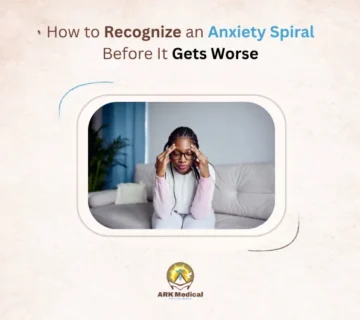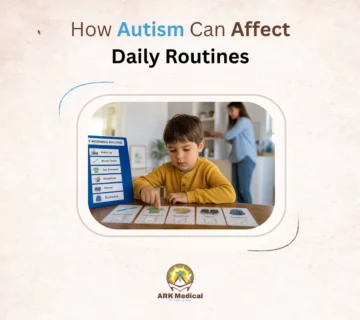
Your mood is a big part of your life that affects how you think, feel, and act. It’s normal to have times when you’re happy and times when you’re sad, but mood swings can sometimes be a sign of a serious health problem called mood disorders. Unfortunately, mood disorders are often misdiagnosed, which makes patients feel embarrassed and delays important medical care. This guide’s goal is to help you understand mood disorders in a straightforward and precise way, without labeling or diagnosing anything.
Understanding Mood Disorders: Your Guide to Emotional Balance
Mood disorders impact a person’s emotional state over time. It’s important to remember that mood disorders, like all other diseases, usually get better with treatment and don’t mean you’re weak or a failure in any way. Everyone’s mood shifts quickly when they are stressed. However, if your moods persist for an extended length of time and affect your relationships or even your performance at work, it may be time to get professional help.
What Are Mood Disorders? A Simple Definition
Mood disorders are mental health conditions that impact a person’s emotional well-being for an extended period of time. Not only can the mood change, but so can energy levels, personal goals, and how well someone does in everyday life.
These disorders don’t define the weakness or strength of a person. Instead, they happen because of the changes in how the brain regulates mood and are usually caused by a complicated mix of biological, psychological, and environmental factors.
Mood Disorders vs. Normal Mood Swings
Everyone has feelings of sadness, tiredness, and stress at some point in their lives. The main differences between a normal mood swing and a serious mood disorder are how long it lasts, how strong it is, and how it affects daily life.
Normal Mood Changes:
- Not long-lasting: They don’t last long.
- Situational: Usually linked to a specific event or source of stress.
- Manageable: Get better with rest, time, or help from family and friends.
Mood Disorders:
- Persistent: Symptoms last for weeks or longer.
- Unprovoked: Can happen without a clear reason from the outside.
- Disruptive: Make it hard to do your job, stay in touch with people, and take care of yourself.
An Overview of Common Mood Disorders
This section gives a general overview. A certified mental health professional must conduct a diagnosis of any mood disorder.
Depressive-Related Mood Conditions
People with these problems are often in a bad mood that doesn’t go away easily. Some signs are not being interested in hobbies you used to enjoy, feeling emotionally heavy, or being mentally tired, which makes it hard to do everyday things.
Bipolar-Related Mood Conditions
People with bipolar disorder experience significant and recurring mood swings. These mood changes occur in cycles, with periods of low energy and depression followed by times of increased energy, activity, or elevated mood. This structured pattern of mood shifts is what distinguishes bipolar disorder from normal emotional ups and downs.
Bipolar mood disorder often goes undiagnosed. Learn more about how common it is and the signs to gain awareness.
Other Mood-Affecting Conditions
Sometimes in life, health problems or stress in the environment can also make your mood change. A professional assessment is essential to accurately ascertain the underlying cause, as symptoms may vary considerably among individuals.
How Mood Disorders Can Affect Daily Life
If you have a mood condition, you may need to deal with how it affects other parts of your life. These conditions don’t often happen on their own, and they can have a big effect on how you feel, how you work, and how you connect with the world.
Emotional Symptoms
People typically have trouble with long-lasting depression, impatience, or feeling emotionally numb. It might be hard to control your emotions, which can make events that used to be easy to handle feel sudden and overpowering.
Physical Health and Energy
There is a strong correlation between mental health and physical health. Some common signs are changes in sleep habits, changes in appetite, and changes in energy levels. A lot of people feel tired, whether it’s physically or emotionally, which makes it hard to get things done every day.
Relationships and Responsibilities
Mood changes make it harder to communicate, be patient, and stay motivated. This often leads to:
- Trouble sticking to daily routines
- Avoiding social contacts and being alone.
- Problems with performance at job or school.
It’s important to know that these effects aren’t things people are choosing to do on purpose. With the right support and healthy lifestyle changes, bipolar disorder can be effectively managed.
What Causes Mood Disorders?
Mood disorders typically emerge from a multifaceted interplay of factors rather than a singular cause.
Biological Motivators
Genetics and brain chemistry both play a big role in mood control. Some people may be more prone to mood swings, especially when they are under a lot of stress.
Experiences in Life
Trauma, a terrible loss, constant stress, or big life changes can all affect your mental health. These experiences can have a big effect, even if they don’t always lead to a condition.
Environmental and Lifestyle Factors
Your daily routine, how well you sleep, and how good your social support system is are all outside factors that can affect your emotional stability. Some things in the environment can make mood disorder symptoms worse.
Signs That Mood Changes May Need Professional Assistance
Everyone has good days and bad days, but knowing when to seek professional assistance is crucial for long-term health. Although it may be difficult to distinguish between a bad week and a potential mental health issue, there are typically signs that you need help.
Emotional and Behavioral Warning Signs
You should consider consulting a professional if your mood changes:
- Persist over time: Mood swings may persist for weeks or longer without improving.
- Have an impact on your hobbies: You might discover that you no longer find the activities you typically find enjoyable or engaging.
- Cause emotional stagnation: A persistent sense of being “stuck” or incapable of letting go of a particular emotion.
Functional Changes in Daily Life
Mood disorders often manifest through changes in functionality, such as:
- Daily struggles: Inability to complete routine tasks, such as hygiene or chores.
- Performance decline: A noticeable drop in grades at school or productivity at work.
- Social withdrawal: Increasing isolation from friends, family, and social events.
Seeking early support often results in more effective management and better long-term health outcomes.
How Mood Disorders Are Diagnosed
You must adopt a methodical approach to comprehend the causes of mood swings. Getting a professional evaluation is the best way to identify mood issues and create an effective treatment plan.
The Professional Evaluation Process
Mental health clinicians assess mood concerns by:
- Analyzing symptoms: Listening intently to the duration, severity, and nature of your symptoms.
- Reviewing history: Examining personal and family medical history to identify patterns.
- Assessing lifestyle impact: Evaluating how mood shifts are affecting your daily life and relationships.
This comprehensive assessment allows providers to build a care plan tailored specifically to you.
Why You Shouldn’t Rely on Self-Diagnosis
Although it may be tempting to use the internet to diagnose yourself, mood symptoms frequently accompany other conditions, such as chronic stress, grief, or pre-existing medical conditions. By ruling out other potential causes and ensuring you receive the appropriate care for your unique needs, a professional examination ensures that your diagnosis is accurate.
Treatment and Support Options
Treatment is always personalized and adjusted over time.
Professional Support Approaches
Care may include:
- Structured therapy
- Medical management when appropriate
- Ongoing monitoring and follow-up
Supportive Lifestyle Adjustments
Healthy routines, stress management, and strong support systems often complement professional care and improve overall well-being.
Importance of Follow-Up Care
Mood conditions can change over time. Follow-up visits allow care providers to track progress and adjust support as needed.
Supporting a Loved One with a Mood Disorder
How Families Can Help
Supportive actions include:
- Encouraging open, judgment-free conversations
- Being patient and consistent
- Supporting care appointments and routines
What to Avoid
Avoid minimizing symptoms, offering quick fixes, or assuming someone can “snap out of it.” Understanding and empathy are essential.
Understanding Is the First Step Toward Care
Mood disorders are common, manageable health conditions. Learning to recognize them without fear or judgment opens the door to effective support and improved quality of life. Seeking information, reaching out for professional care, and approaching mental health with compassion can make a lasting difference. ARK Medical of Las Vegas specializes in diagnosing and treating mood disorders. Cecilio Gonzales leads a caring and professional team that provides personalized care for people of all ages, both in person and online.
Contact us today to get the support you need.
FAQs
Are mood disorders permanent?
Mood disorders are manageable, and many people experience improvement with appropriate care and support.
Can mood disorders affect children and adults?
Yes. Mood concerns can appear at different stages of life and may look different depending on age.
Can mood disorders improve with proper care?
Yes. With professional guidance and supportive strategies, many people experience meaningful improvement.