
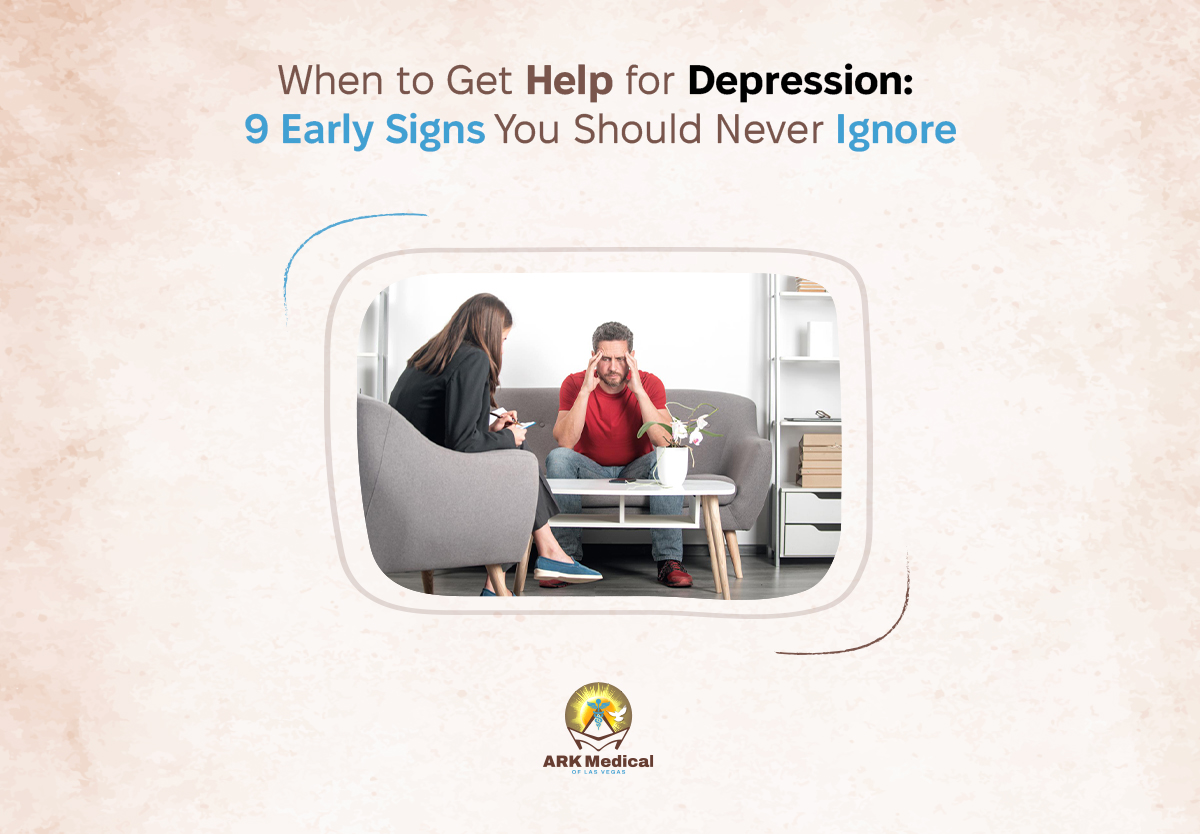
Depression can make everyday life feel heavier, silently. If you are unsure whether it’s just a rough patch or something more serious, you’re not alone. Many people delay seeking help, but catching depression early makes a big difference. About 18% of U.S. adults are affected, and while normal sadness comes and goes, clinical depression is a medical condition that impacts the brain, body, and daily life. The good news? It’s treatable. We’ll take a walk through nine early signs you shouldn’t ignore, when it’s time to see a professional, and what to expect at your first appointment.
What Is Clinical Depression vs. Feeling “Down”?
First, let’s get one thing straight. Clinical depression (major depressive disorder) isn’t just feeling sad after a bad day. It is a mood disorder in which persistent feelings of sadness or emptiness begin to interfere with daily life. According to the DSM-5, this includes a cluster of symptoms that last for at least two weeks:
The big difference between regular sadness and depression is duration and impact. Normal sadness usually ties to some event, like a breakup or even a particularly stressful week, and fades over time. Depression sometimes hits without an apparent trigger, lingers, and makes simple tasks seem overwhelming.
Here’s a quick comparison:
- Normal sadness: Temporary, triggered by life events, doesn’t completely disrupt daily life.
- Clinical depression: Lasts two weeks or more, may have no obvious cause, and can make work, relationships, or self-care feel impossible.
This is an important distinction to make, as ignoring depression often allows it to worsen. If this sounds familiar, the following signs might help you connect the dots.
The 9 Early Signs of Depression You Should Never Ignore
Depression doesn’t always look like those movie stereotypes. Sometimes the signs are very subtle, but here are nine common red flags. If you’re experiencing a few of these and they’ve lasted more than a couple of weeks, it may be time to get some help.
You’ve Lost Interest in Almost Everything (Anhedonia)
Activities that you used to enjoy, such as going for walks, watching your favorite show, or hanging out with friends, might suddenly feel empty or not worth it. This isn’t laziness; it’s your brain’s reward system slowing down.
For instance, it could be a parent who used to enjoy family game nights but now just sits there, disconnected. That’s a red flag, as it indicates changes in brain chemistry that won’t fix themselves.
Your Energy Is Gone – Even Simple Tasks Feel Impossible
Feeling tired all the time is a classic symptom. You may wake up tired no matter how much rest you get, and simple tasks, like grocery shopping, feel like climbing a mountain.
Think about the person who could juggle work, hobbies, and family with ease, but now finds it a challenge to even shower or make breakfast. That is how depression can take a toll on your body’s energy and, if left untreated, eventually your health.
Sleep Has Completely Changed (Too Much or Can’t Sleep at All)
Depression can disrupt sleep in two ways: either insomnia keeps you tossing and turning, or you sleep excessively but wake up feeling tired.
A good example would be that of a college student who always slept well but now lies awake, preoccupied with concerns. Poor sleep worsens other symptoms, making a cycle that can affect your mood and even your immune system.
Appetite or Weight Has Shifted Dramatically Without Trying
You may also notice a major shift in eating habits: losing your appetite and losing weight, or overeating and gaining pounds.
For example, a retiree may stop eating because nothing seems appetizing, leading to unintended weight loss. This is a red flag because hormonal changes linked to depression can harm your overall health.
Feelings of Worthlessness or Excessive Guilt Take Over
You may start to develop thoughts that you are a burden, or you may obsess over small mistakes. For instance, a family member may feel guilty because they are not “happy enough” when being around loved ones, and it is not even their fault.
These are thoughts that eat away at one’s self-esteem and could lead to other deeper emotional harm if not addressed.
You Can’t Concentrate, Remember Things, or Make Decisions
Brain fog is common. You may have trouble focusing at work, or you might forget simple things or have difficulty making decisions about even small choices.
Think of a teacher who used to plan lessons with ease but now zones out during class. This is concerning because depression can impact cognitive function and even affect your daily responsibilities.
Irritability or Anger That Feels Out of Character
Small annoyances might trigger big reactions. For example, a usually patient partner snaps at everyone over minor messes.
This red flag shows how depression amplifies negative emotions, potentially straining relationships and signaling underlying changes in the brain.
Unexplained Aches, Pains, or Digestive Issues
Physical symptoms, such as headaches, back pain, or stomach problems, may arise without any apparent reason.
A working parent might dismiss joint aches as “just aging,” but they can be associated with depression. This is a good example of the mind-body connection, where mental health affects physical health.
Recurring Thoughts of Death or “Not Wanting to Be Here” (Even Passive)
These thoughts aren’t always active plans but might be passive wishes, like “I wish I wouldn’t wake up.”
Even if you have a loving family, these thoughts can occur in quiet moments. This is urgent if you experience this; seek help immediately to prevent escalation.
When Do These Signs Mean It’s Time to Seek Treatment?
A good rule of thumb: If five or more of these signs have lasted two weeks or longer and interfere with your life, don’t wait: Consult a professional. Urgent situations include:
- Suicidal thoughts or plans, call 988 immediately.
- Unable to eat, sleep, or function.
- Rapidly worsening symptoms.
If you find yourself thinking, “How long is too long to feel depressed?” anything more than a couple of weeks, without feeling any improvement, is long enough to check in. Early action can prevent complications like anxiety or substance use.
What Happens When You Finally Seek Help for Depression?
Taking that first step can feel intimidating, but it’s simpler than you might think. A healthcare provider or mental health professional will ask about your symptoms and medical history, and may perform a physical exam to rule out other causes like thyroid problems or vitamin deficiencies.
Next, you’ll discuss treatment options:
- Therapy: Techniques like cognitive behavioral therapy (CBT) help reframe thoughts.
- Medication: Antidepressants often start helping in 2–4 weeks.
- Lifestyle changes: Sleep, exercise, diet, and stress management.
While consistent treatment generally leads to improvements within the first 4-6 weeks, up to 80% eventually find relief with the right approach. It is a collaborative process; your input matters.
Simple First Steps You Can Take Today (While Waiting for an Appointment)
While professional care is crucial, these steps can help in the meantime:
- Reach out to a trusted friend or family member, as sharing lightens the load.
- Take a 10-minute walk in sunlight; it boosts mood naturally.
- Limit alcohol and caffeine, which can worsen symptoms.
- Call 988 Suicide & Crisis Lifeline if you feel unsafe.
Think of these as tools to hold steady until you can get expert help.
FAQs
How long can you have depression without knowing?
Mild forms may simmer for months or even years, but awareness usually comes when the symptoms start to intensify. Regular mental health check-ins help spot it early.
Can you have depression with good days and bad days?
Yes, depression is not a constant state of misery. Ups and downs are normal; however, if the bad days are more dominant, then this is worth seeking help for.
What’s the difference between depression and burnout?
Burnout is usually work-related and improves with rest. Depression affects all areas of life and requires targeted treatment.
At what point is depression considered severe?
When it includes suicidal thoughts, major functional impairment, or symptoms persist despite initial efforts, seek help immediately.