If you have a minor surgery, like mole removal or cyst drainage, you need to take care of yourself properly afterward so you can get back to your normal routine quickly. These treatments are common in urgent care and family practice settings, but it’s important to follow the right steps to avoid problems during recovery. This article lists ways that have been shown to work to speed up the healing of wounds after stitches or skin biopsies. Read on for useful tips on how to care for yourself after minor surgery that will help you heal quickly and keep you from having to take time off work.
Understanding Minor Surgical Procedures
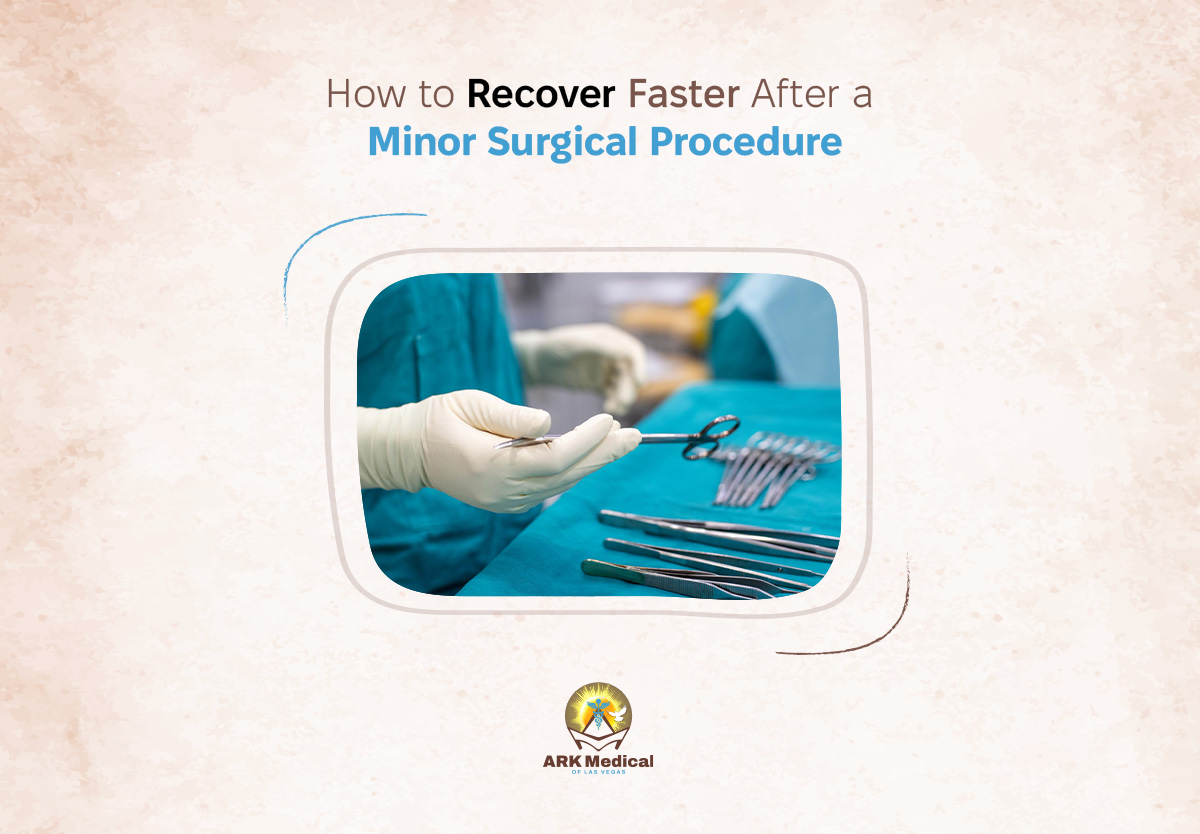
Minor surgeries are easy, low-risk treatments that can be done in a clinic or urgent care center. These outpatient services typically use local anesthesia, eliminating the need for a hospital stay and ensuring a short recovery time.
Common examples include:
- Skin procedures: Mole or skin tag removal, biopsies, or excisions.
- Wound care: Stitching up lacerations or draining abscesses.
- Other small surgeries: Removing ingrown toenails or joint injections.
These are ideal for busy families because they are convenient to use, cheap, and low-risk. Organizations like the American Academy of Family Physicians give guidelines that show how primary care providers safely and effectively handle these every day.
Preparing for Recovery Before Your Procedure
Proper preparation is key to a faster recovery after a minor surgical procedure. Follow these steps to set yourself up for success:
- Consult your doctor: Discuss your medical history, allergies, and current medications to prevent problems.
- Arrange support: Organize a ride home and assistance with daily tasks, such as childcare, beforehand.
- Stock post-op essentials: Buy clean bandages, pain relief (like ibuprofen), and nutritious food before your appointment.
- Optimize your health: Stay hydrated, eat a balanced diet, and avoid smoking to promote faster healing.
Planning lowers stress and makes it easier to take care of yourself after minor surgery.
Post-Procedure Care: The First 24 to 48 Hours
The first 48 hours are very important for avoiding infection and speeding up the healing of wounds.
Steps to Take Right Away to Get Better
- Follow Discharge Instructions: Make sure the area where the surgery will take place is clean and dry. To avoid problems, change your dressings exactly as your doctor tells you to.
- Manage Pain and Swelling: Put ice packs on every 20 minutes and take over-the-counter painkillers like ibuprofen to help with the swelling.
- Elevate and Rest: If the procedure involved a limb, raise it to reduce swelling. Rest is important to help the body heal.
Recovery Tips for Parents
Make recovery a time for the whole family to relax. Give your kids quiet, low-key activities that let you rest without having to do anything physical.
Quick Top 10 Tips to Recover Faster After a Minor Surgical Procedure
- Follow instructions exactly.
- Keep the wound clean and dry.
- Eat protein-rich meals.
- Stay hydrated.
- Ice for swelling.
- Elevate the area.
- Rest adequately.
- Avoid smoking.
- Monitor for changes.
- Attend follow-ups.
Common Mistakes to Avoid During Recovery
To avoid setbacks and make sure your healing goes smoothly, don’t make these common recovery mistakes:
- Ignoring medical advice: Don’t give in to the urge to start doing hard things again before you are cleared.
- Not keeping things clean: Always wash your hands before touching the incision site to lower the risk of infection.
- Misusing pain medication: To avoid problems, only take the doses that are suggested.
- Not going to follow-up appointments: These visits are very important for finding problems early.
Busy parents should avoid these mistakes if they want to get back to school runs and family fun faster.
When to Seek Medical Help
Most recoveries are straightforward, but know the red flags:
- Pain or swelling worsening after 48 hours.
- Infection signs: Fever over 100.4°F, heavy redness, pus, or foul-smelling discharge.
- Uncontrolled bleeding or unusual reactions.
Don’t hesitate, call urgent care provider or use telemedicine for fast advice.
Prioritize Your Health with Wellness Visits and Preventive Care
Recovery is a perfect reminder to takecare of your health. Regular wellness visits can help find health problems early on, which can often keep you from needing medical procedures in the future.
It is important to keep up with health screenings that are appropriate for your age, like skin checks during your yearly physical, as well as vaccinations that are needed and management of chronic diseases.
At ARK Medical Of Las Vegas, we provide a comprehensive range of outpatient services for families. Our commitment is to keep you and your loved ones healthy, from pediatric care to preventive health and exploring ways to maintain wellness.
FAQs
What is the average recovery time for minor surgical procedures?
Most people feel back to normal in a few days to two weeks, depending on the procedure.
Can I drive myself home after a minor surgery?
It depends on the anesthesia; ask your provider, but often, yes, for local numbing.
Are there natural remedies to speed up recovery?
Focus on nutrition and rest; always check with your doctor before adding supplements.
How do minor procedures differ from major surgery?
They’re quicker, outpatient, and lower risk, with no hospital stay needed.